Booking a coral reef conservation tour in Hurghada in 2026 means choosing an operator that limits group size, briefs divers and snorkelers on reef contact rules, and routes to sites recovering from bleaching or anchor damage — not just another boat trip with a different name on the itinerary.
- A real coral reef conservation tour hurghada trip caps group size, briefs guests on no-touch rules, and skips overused reef sites.
- Book with a licensed Red Sea operator that states its conservation practice in writing, not just in marketing copy — verdict: Buy from a transparent operator.
- Snorkelers with zero experience should pair the tour with a buoyancy check first; divers should confirm nitrox and site rotation policies.
- 2026 reef conditions favor early-morning slots, when boat traffic and sunscreen runoff are lowest.
Why this matters
The Red Sea's fringing reefs around Hurghada took decades to grow the coral heads that make Giftun Island and the Dolphin House famous, and a single careless fin kick can undo years of that growth in seconds.
Demand for reef tourism around Hurghada has climbed every year, and with it the pressure on the same handful of accessible reef systems. A conservation-minded operator manages that pressure by rotating dive and snorkel sites, briefing guests before they enter the water, and turning away trips that would overload a fragile patch of reef. Booking through an operator that treats conservation as a policy, not a slogan, is the single biggest factor in whether your trip helps or hurts the reef you came to see.
What you'll need
- A booked slot with a Hurghada-based operator that states its reef-protection rules upfront
- Reef-safe sunscreen (mineral-based, no oxybenzone or octinoxate) — most Red Sea sites now restrict standard sunscreens
- A snorkel mask and fins that fit properly, or rental gear confirmed at booking
- Swim confidence for open water, or a life vest if you're not a strong swimmer
- A dry bag for your phone, cash for tips, and a printed or digital booking confirmation
- 3-4 hours of daylight, since most conservation-focused trips run in the early morning window
The steps
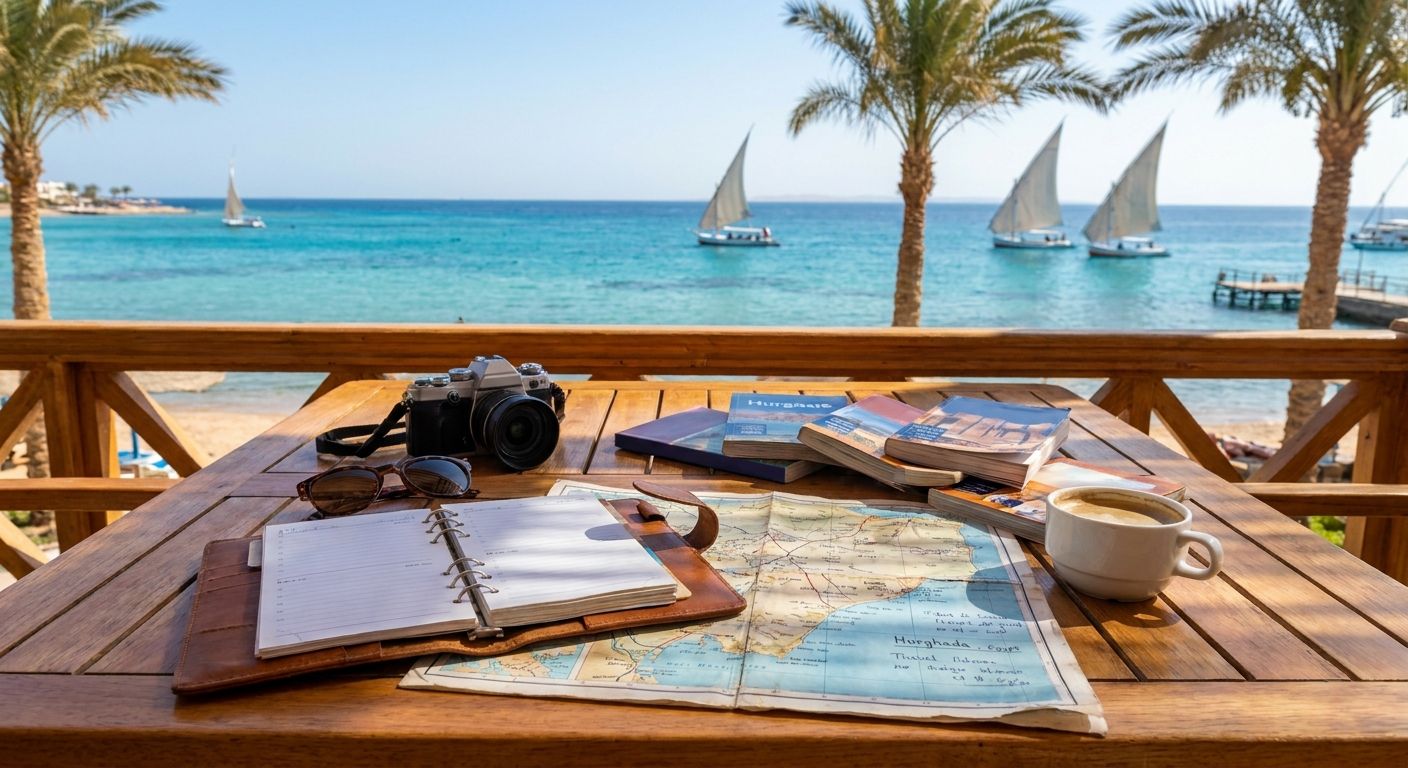
1. Confirm the operator's conservation practice before you pay
Ask directly what the trip does differently: site rotation, group caps, no-touch briefings, or reef monitoring. A generic "eco-friendly" label with no specifics is a red flag. Daily Red Sea's island boat trip guide walks through what to check before booking any Red Sea excursion. Common mistake: assuming any snorkel trip billed as "eco" automatically limits numbers — many don't.
2. Pick a reef site based on your swimming and diving level
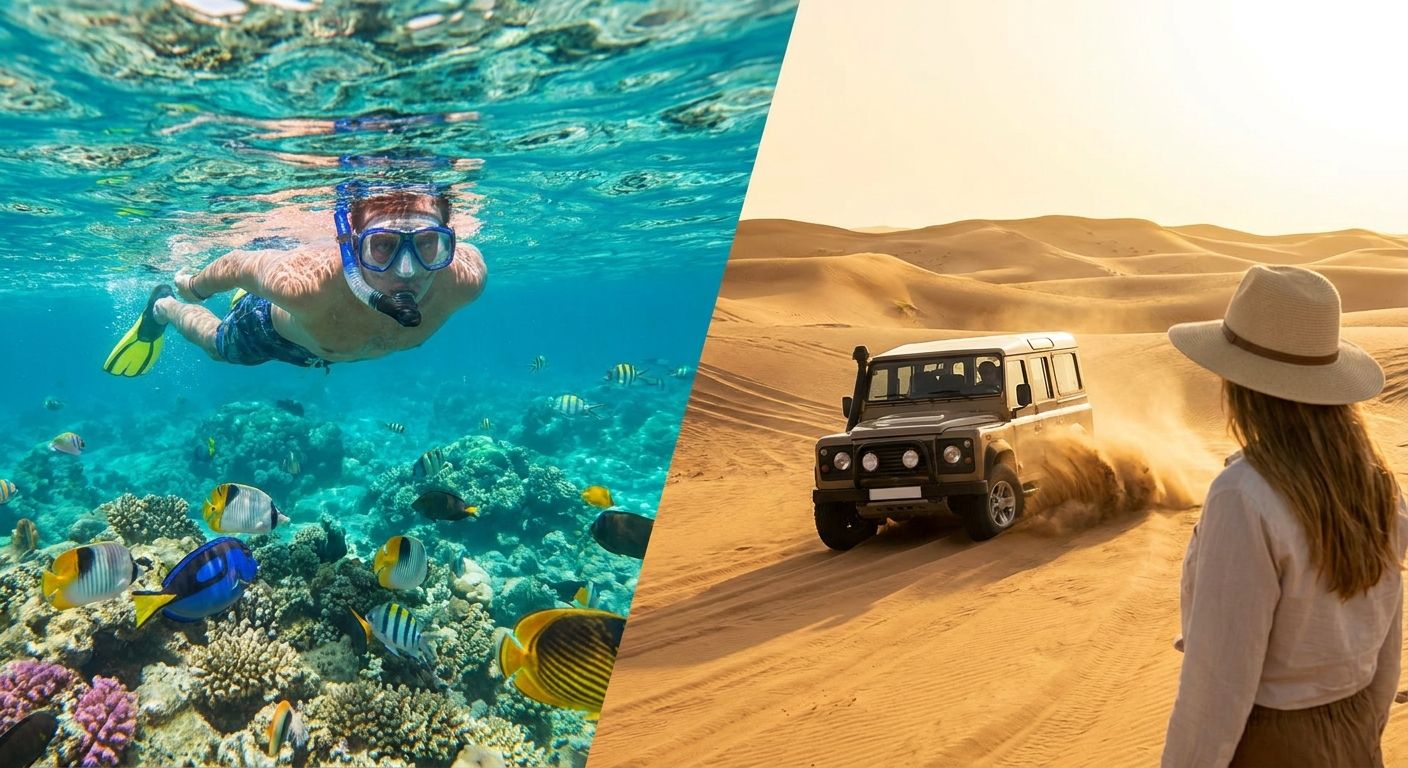
Giftun Island and Mahmya suit first-time snorkelers with calm, shallow entry points; the Dolphin House suits stronger swimmers who want a shot at seeing wild dolphins near the reef edge. Certified divers get more from wreck or deeper reef sites that casual snorkel boats skip entirely. Common mistake: booking a deep-dive-oriented trip when you've never snorkeled in open water — check the snorkeling for non-swimmers options if that's you.
3. Book the early-morning slot
Morning departures, typically before 9 a.m., hit reef sites before the bulk of the day's boat traffic and before sunscreen runoff peaks in the water column. Visibility is also better in 2026's calmer morning conditions than mid-afternoon chop. Common mistake: choosing an afternoon slot for convenience and getting a crowded, lower-visibility reef.
4. Switch to reef-safe sunscreen at least a day out
Standard sunscreen chemicals contribute to coral bleaching stress even in small concentrations. Buy or pack a mineral (zinc oxide or titanium dioxide) sunscreen before you fly, since availability in Hurghada shops is inconsistent. Common mistake: applying regular sunscreen right before boarding — apply it the night before or use a rash guard instead.
5. Attend the pre-entry briefing and actually listen
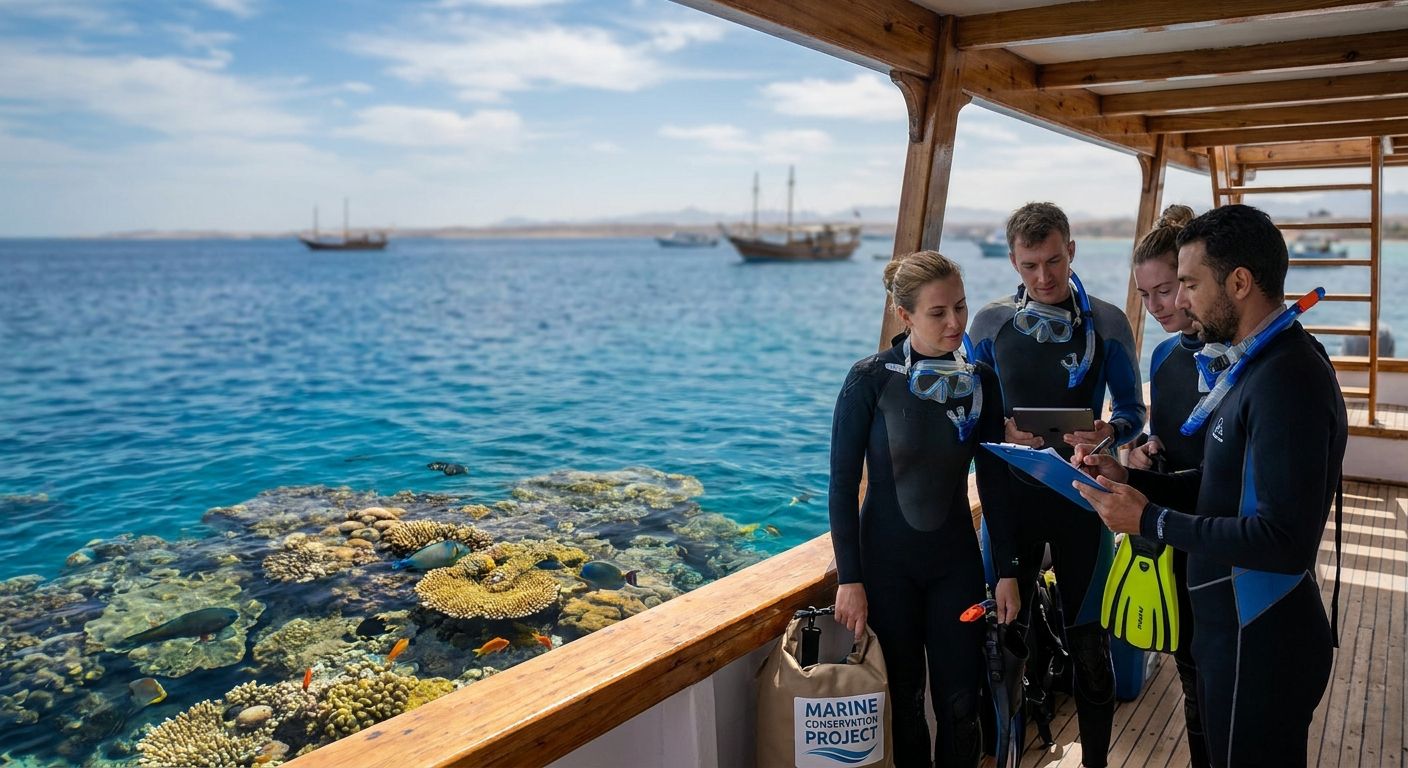
A legitimate coral reef conservation tour hurghada operator runs a 5-10 minute briefing on no-touch rules, fin control near coral, and what to do if you spot bleaching or damage. Skipping this because you've snorkeled before is the single most common way tourists damage reef structure. Common mistake: standing near the coral to "just look closer" — a stray fin kick does more damage than a full minute of hovering at a safe distance.
6. Practice buoyancy or fin control in open water before the reef approach
Most boats anchor at a mooring buoy and give you a few minutes of open-water swimming before the reef. Use that time to adjust your mask, test your fins, and get comfortable floating without kicking downward. Common mistake: heading straight for the reef edge before your gear is dialed in, which forces last-second kicking near coral.
7. Log what you saw and report anything unusual
Most conservation-serious operators welcome a quick note if you spot bleached coral, litter, or damaged structure — it feeds into which sites they rotate away from next season. This is a two-minute conversation with your guide back on the boat. Common mistake: assuming this feedback loop doesn't matter for a single tourist trip — it's exactly how site rotation decisions get made.
Troubleshooting
- You can't confirm the operator's conservation policy before booking. Ask for it in writing or by message before you pay a deposit — a legitimate Red Sea tour operator will answer specifics, not vague claims.
- Visibility is poor on the day of your trip. Wind and recent boat traffic both cut visibility; ask if the guide can shift to a calmer alternate site rather than forcing the original plan.
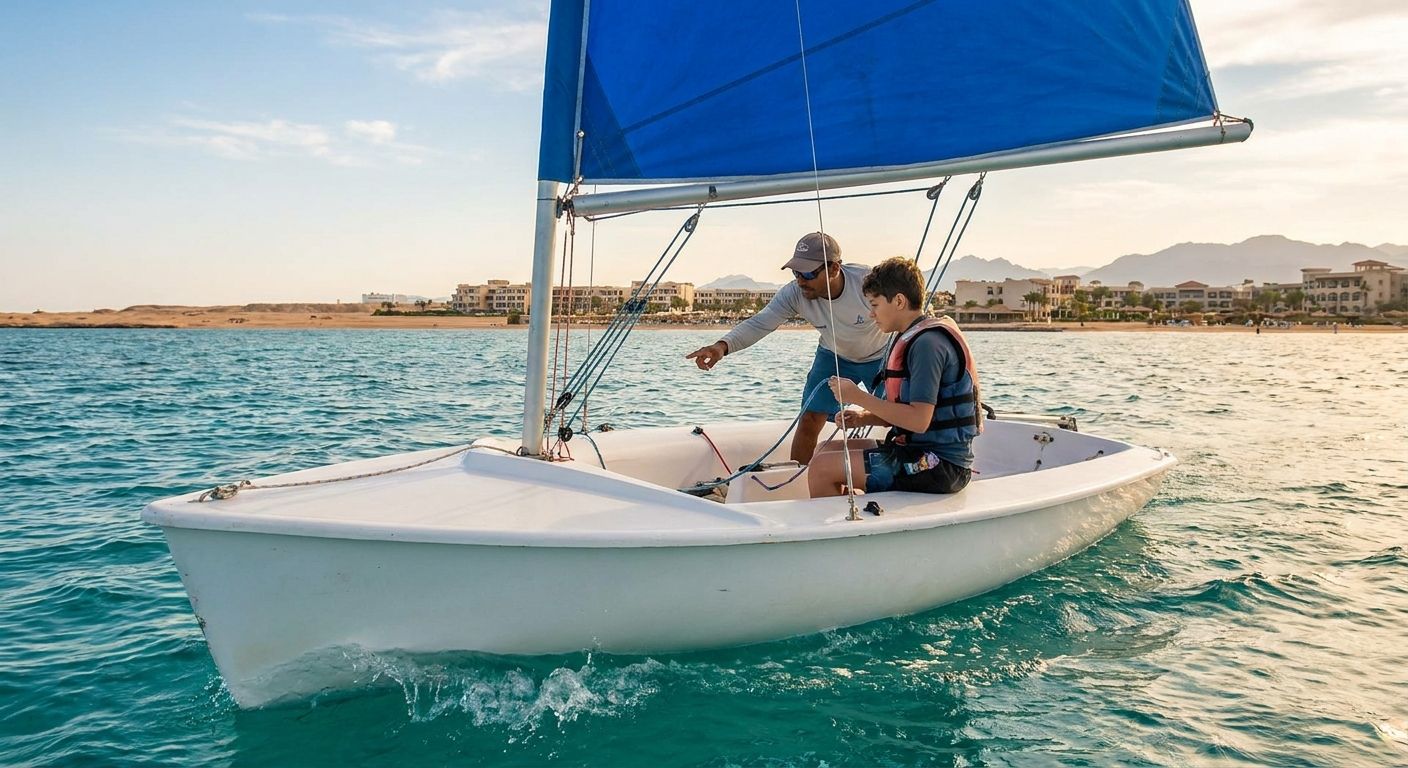
- You're not a confident swimmer but booked a reef snorkel trip anyway. Request a life vest and a guide-assisted tow line — most Hurghada operators carry both, but you need to ask at booking, not on the boat.
- Your sunscreen wasn't reef-safe and you only realize it dockside. Rinse off with fresh water before entering and use a rash guard for sun coverage instead that day.
- You witness reef damage from another group. Note the location and time and report it to your own guide — most conservation-minded operators log these reports across the season.
- The trip feels crowded despite "small group" marketing. Count actual snorkelers in the water at once; if it's well above what was promised, that's worth raising directly with the operator afterward.
Tools and resources
- How to pick an island boat trip in Hurghada — vetting criteria for any Red Sea boat excursion
- Best snorkeling trips in Hurghada for first-time visitors — site comparisons by skill level
- How to prepare for scuba diving in Hurghada — gear and fitness prep for certified divers
- Dolphin House snorkeling trip for wildlife lovers — one of the more selective, lower-traffic reef sites
- Reef-safe (mineral) sunscreen, packed before departure
What to do next
If you're a first-timer weighing which reef fits your comfort level, read the Giftun Island snorkeling trip guide before locking in a date — it breaks down entry conditions and what a first reef swim actually feels like.
FAQ
What is a coral reef conservation tour in Hurghada?
It's a snorkel or dive trip run with reef-protection rules built in: capped group sizes, no-touch briefings, and rotation away from overused sites. Standard boat trips may visit the same reefs without those limits.
Is a coral reef conservation tour hurghada more expensive than a regular snorkel trip?
Pricing varies by operator, but the meaningful difference is practice, not price — ask what specific rules the trip follows rather than assuming cost signals conservation quality.
Do I need to be a certified diver to join?
No. Most Red Sea conservation-focused trips run as snorkel excursions open to non-divers, with certified diver options as a separate add-on at many operators.
What sunscreen should I use before a reef tour?
Use a mineral sunscreen with zinc oxide or titanium dioxide as the active ingredient. Standard chemical sunscreens contribute to coral bleaching stress even in small amounts.
Which Hurghada reef site is best for a first-time snorkeler?
Giftun Island and Mahmya offer calmer, shallower entry points suited to beginners in 2026, while Dolphin House suits stronger swimmers comfortable in open water.
How early should I book a coral reef conservation tour?
Book a few days ahead where possible, especially for morning slots — early departures fill first because visibility and reef conditions are best before mid-day boat traffic peaks.
What happens if I touch the coral by accident?
Tell your guide immediately rather than ignoring it. Guides log incidents to track reef stress and adjust which sites get visited most often.
Can non-swimmers join a reef conservation tour?
Yes, with a life vest and guide assistance requested at booking. Confirm this need before the trip day rather than on the boat.
One last thing
The reef sites that look most "untouched" in photos are usually the ones getting rotated away from heaviest traffic — ask your guide which site they're avoiding this month, and you'll usually get pointed straight to the healthiest coral around Hurghada in 2026.